
Warehouses, distribution centres, factories
Warehouse Cleaning in Melbourne
We do warehouse cleaning in Melbourne for sites that cannot stop working while it happens. Our crews scrub aisles, clear high-level dust, detail racking bases, clean offices and lunchrooms, and prepare end-of-lease handbacks, all inside your shift pattern. Every one of our warehouse cleaning services is quoted as a fixed price after a walk-through.
We work for DC and 3PL operators, manufacturers, facility managers, landlords and leasing agents across the south-east, north and west industrial belts. Crews complete your induction, work under a job-specific SWMS and keep clear of forklift routes. Commercial and industrial sites only.
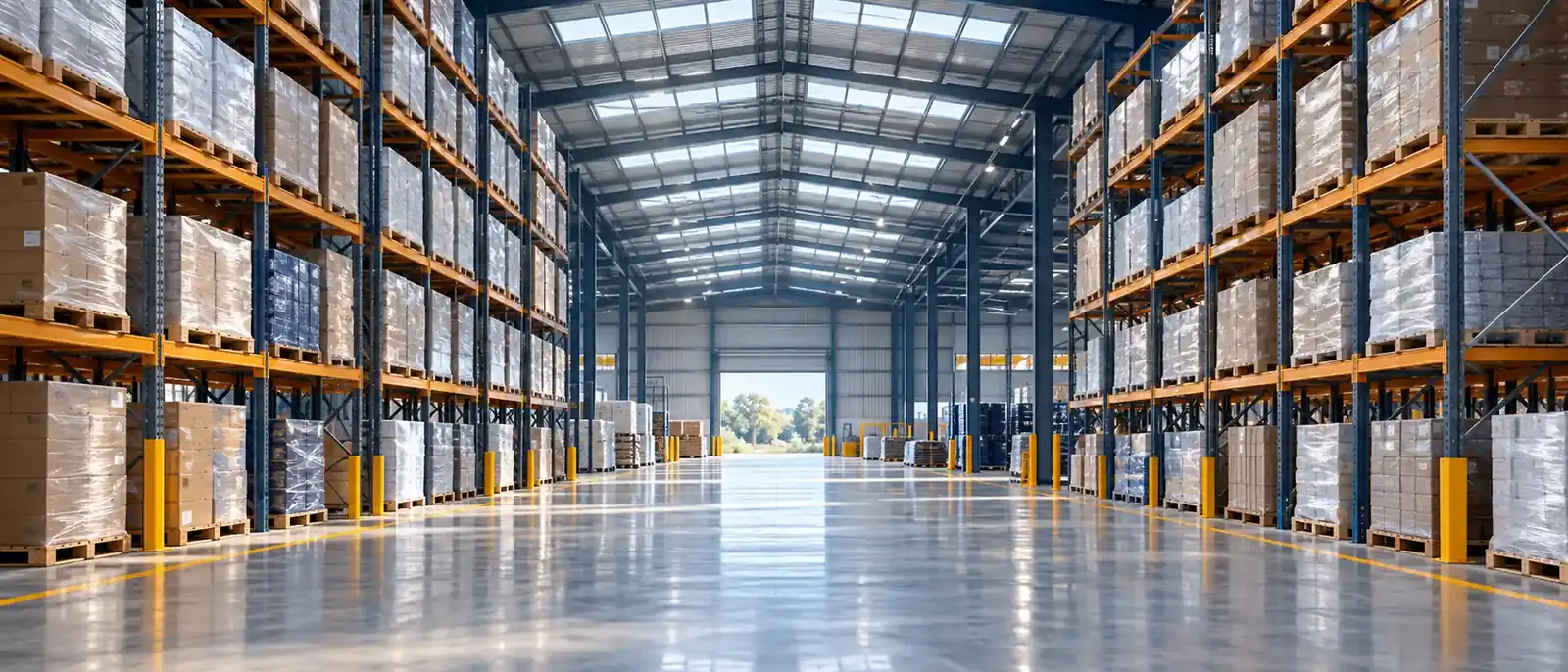
What one night clean covers
- Aisles machine-scrubbed and dried
- Racking bases and pallet footprints detailed
- Dock plates and door tracks swept out
- Lunchroom and toilets cleaned and restocked
- Six beltsDandenong South to Truganina
- Your hoursNights, weekends and shutdowns
- SWMS every jobWritten for your site, signed on the day
- Fixed priceQuoted from a walk-through, not a guess
What does warehouse cleaning in Melbourne cover on a working site?
It covers every surface from the slab to the roof sheets: floors and dock aprons, racking and pallet footprints, high-level beams and skylights, plus the offices, lunchrooms and toilets inside the building. It is usually booked by an operations or facility manager, and it has to fit around the site's own traffic.
That last part is what separates warehouse cleaning from office cleaning. A warehouse rarely closes. Pickers work the aisles until late, reach trucks move stock overnight, and the dock is busiest at the exact hour a cleaner would like to be sweeping it. So the job is planned by zone and by time window: dock aprons while the doors are down, the pick face when a wave finishes, high-level work when the aisle below can be closed off.
Most sites need a mix. A regular floor program keeps dust and tyre marks from building up. A deep clean once or twice a year clears what settles above head height. Amenities need a nightly or weekly visit because staff use them every shift. We plan all three together so you deal with one crew, one induction list and one invoice.
- Who books it
- Operations, warehouse and facility managers, plus landlords and agents at lease end
- Who it suits
- Sites from a 400 m² unit to a 60,000 m² distribution centre
- When it happens
- Between shifts, overnight, on weekends or during a planned shutdown
- What it excludes
- Confined spaces, hazardous chemicals, asbestos and the inside of plant
What do we clean, and which service fits which job?
We run ten services, each with its own method, equipment and crew size. Pick the closest match below; if your site needs three of them, we quote them as one plan.
Some jobs are one-offs, such as a make-good or a post-fit-out clean. Others are recurring, such as nightly amenities or a monthly scrub of the pick aisles. The bay code on each card is how the same service appears in your quote.
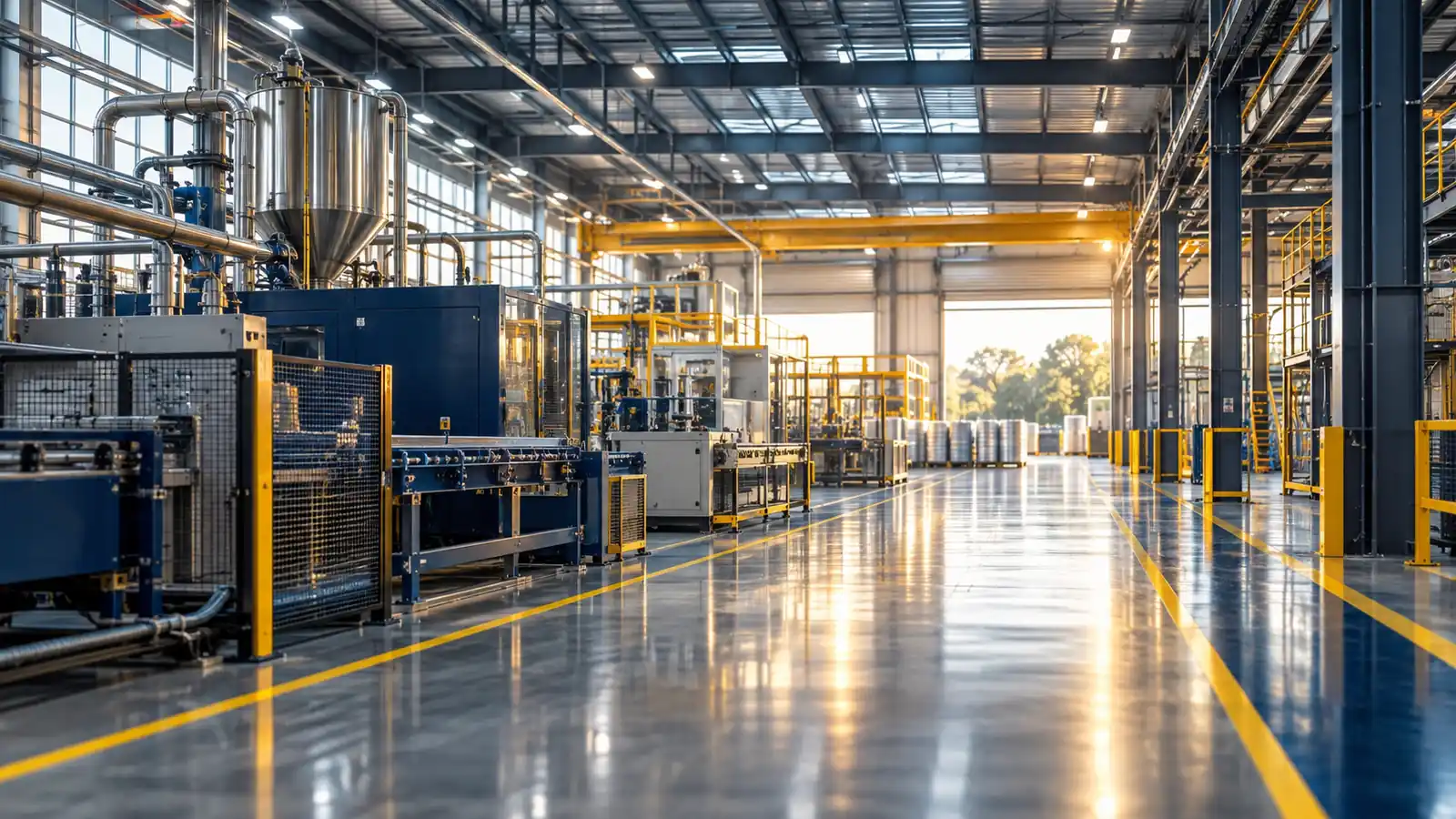
B01
Industrial cleaning Melbourne
Production halls, workshops, plant rooms and yards. We clean walkways, guarding, floors and structures around machinery lines while the plant stays locked out, and we leave anything inside the machines to your maintenance team.
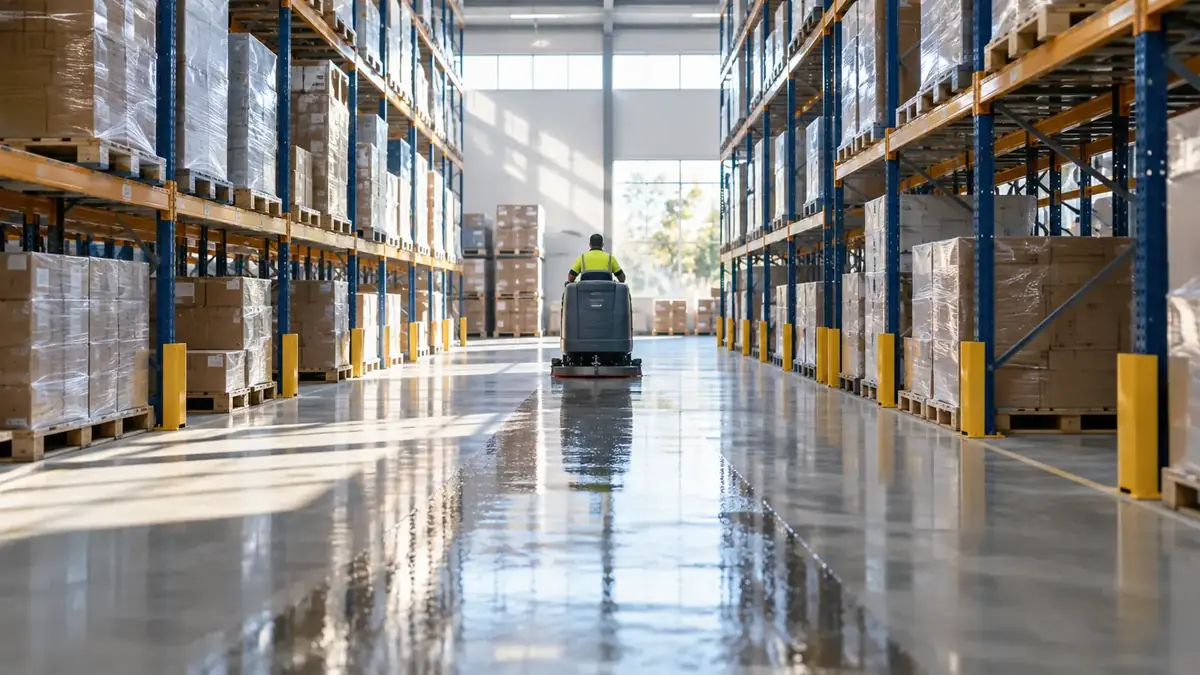
B02
Warehouse floor cleaning
Dust-control sweeping, walk-behind and ride-on scrubbing, tyre-mark removal and edge detailing along racking. Floors are left dry and walkable, so the first shift can start on time.
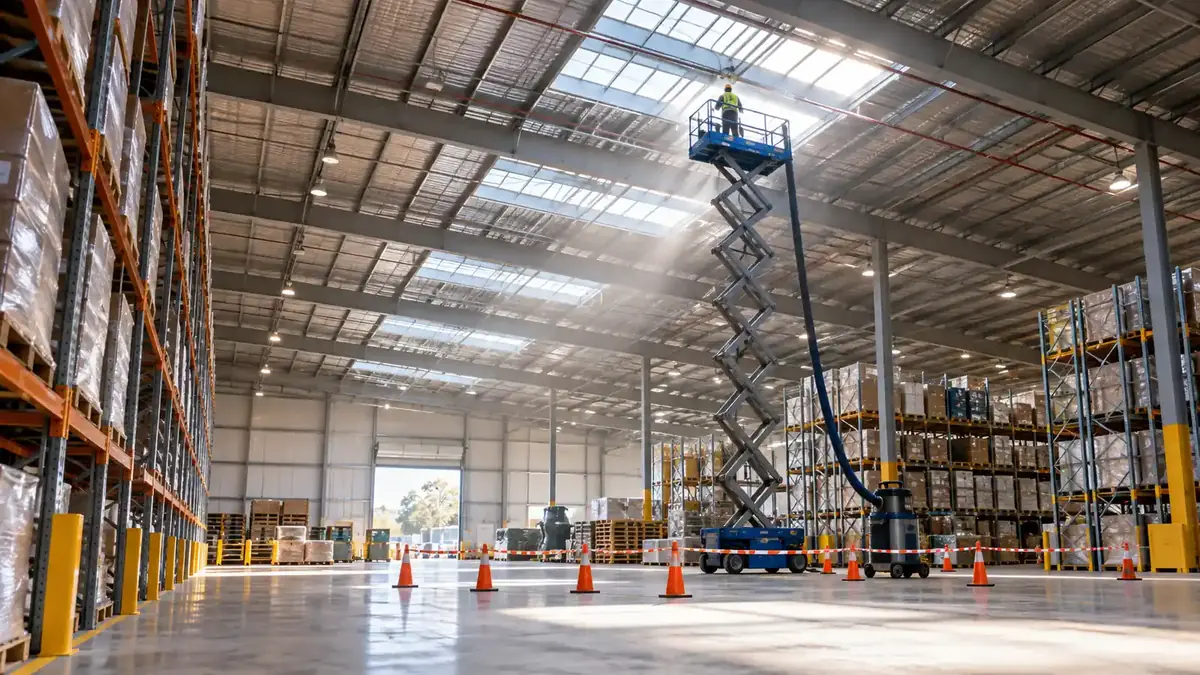
B03
Warehouse deep cleaning
High-level dust removal from beams, purlins, cable trays, lights and racking tops, with HEPA vacuums and lifts. The aisle below is closed and product is sheeted before anything is disturbed.
B04
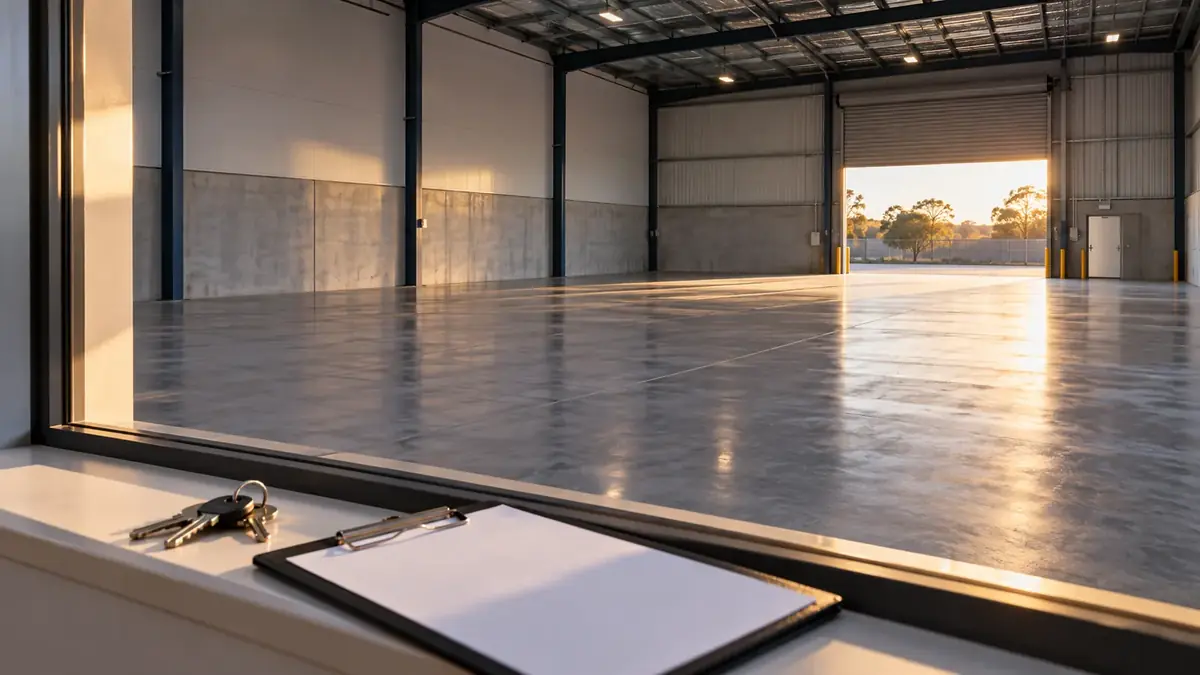
End-of-lease warehouse cleaning
Make-good cleans worked from your lease clause and the entry condition report: floors, walls to height, offices, amenities, docks and the yard, with photos for the landlord's inspection.
B05
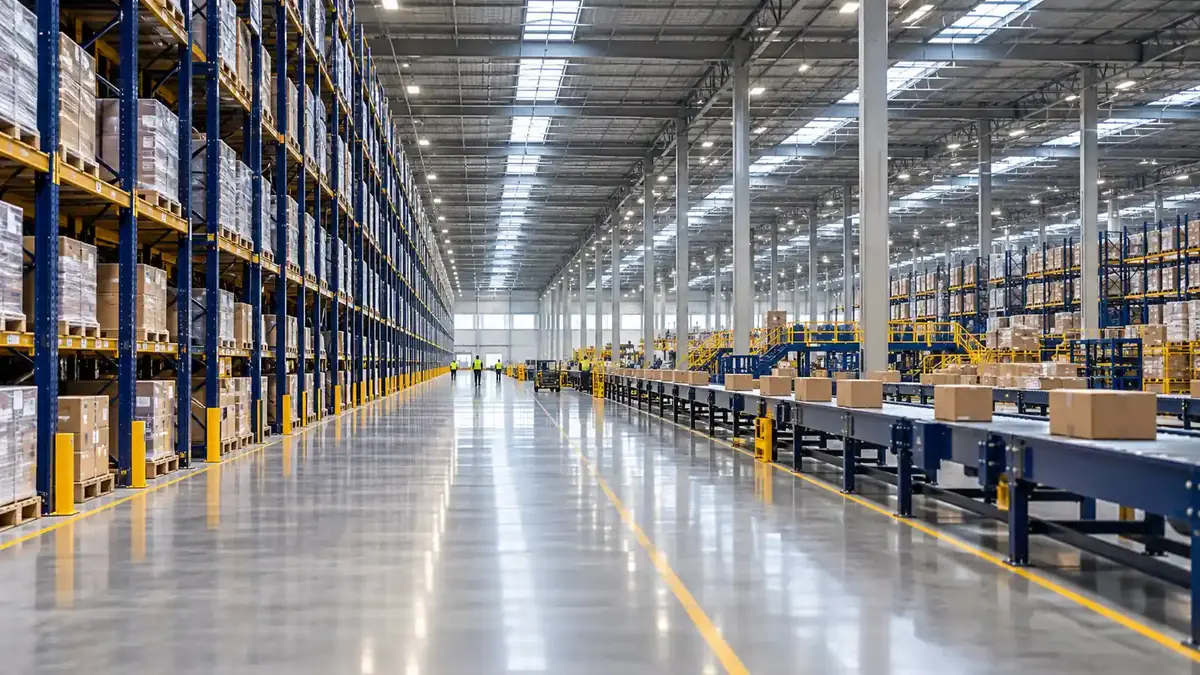
Distribution centre cleaning
Big-box and 3PL sites running two or three shifts. Cleaning is sequenced by zone around pick waves and dock schedules, with a supervisor who reports to your shift lead.
B06
Scheduled industrial cleaning programs
A standing plan that sets what gets cleaned nightly, weekly, monthly and each quarter. One fixed monthly price, a named supervisor and a short report after each visit.
B07
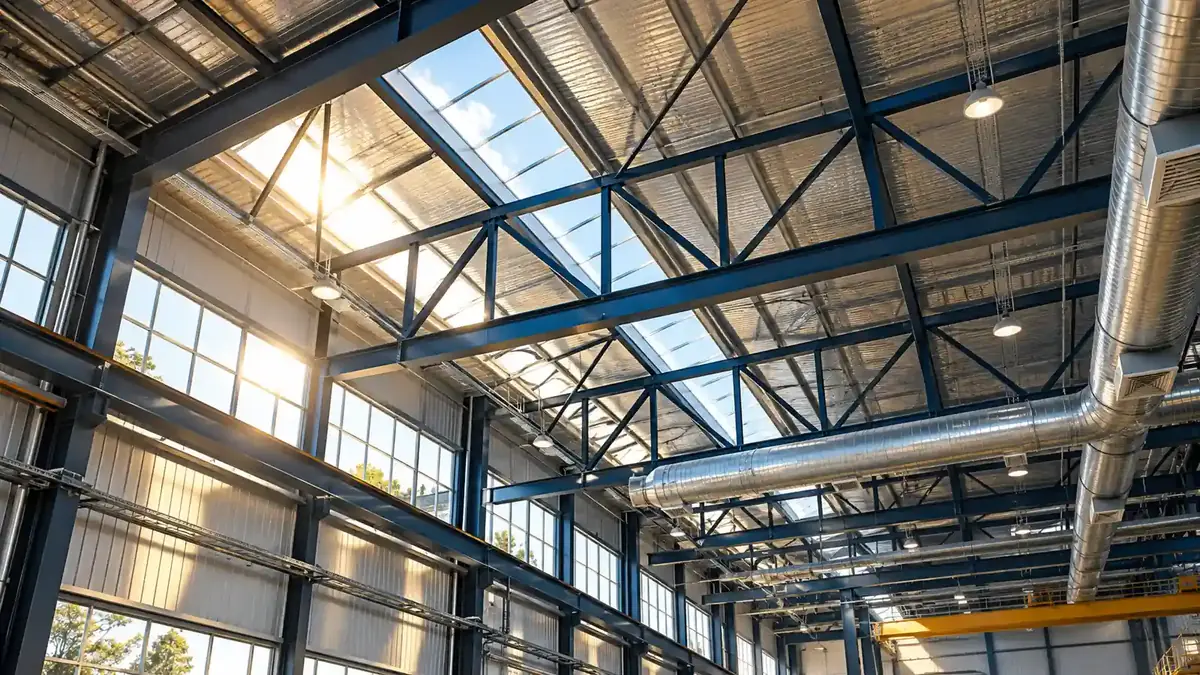
Factory cleaning
Production floors, overheads, change rooms, canteens and the office block in one visit plan. We work to your lockout and hygiene rules and schedule around changeovers.
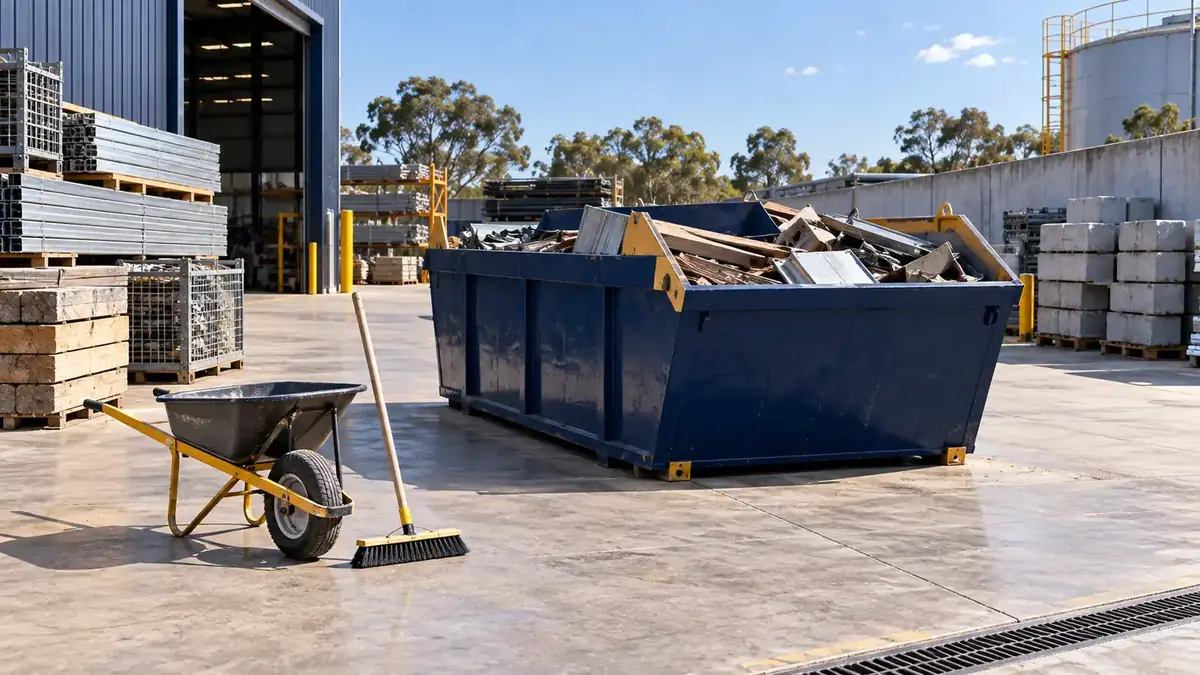
B08
Industrial site clean-ups
Yards, sheds and whole sites after a fit-out, a tenant leaving in a hurry or years of neglect. We sort, remove and sweep, then clean what is left standing.
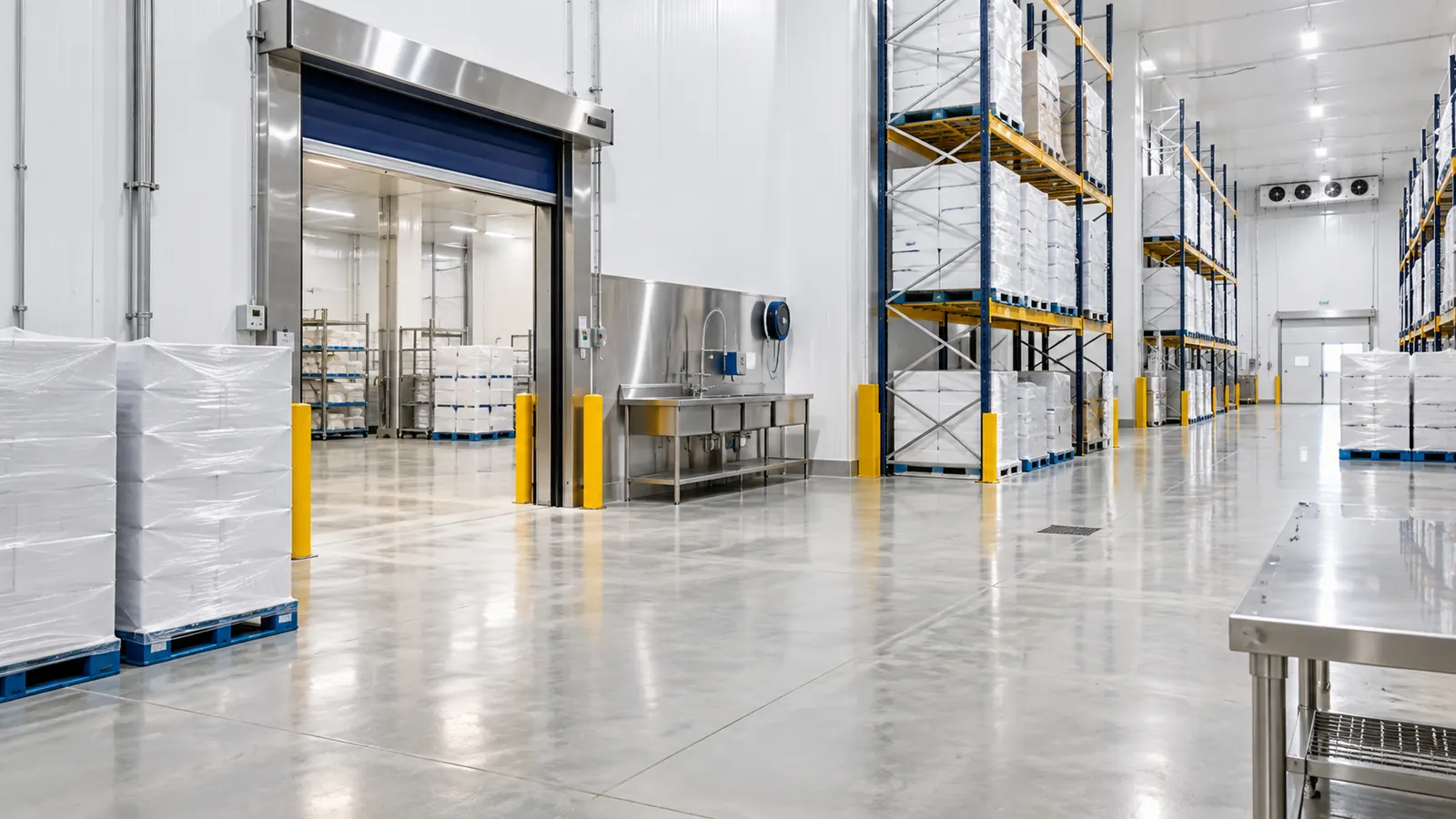
B09
Food-grade warehouse cleaning
Dry and chilled food storage worked to your HACCP plan and chemical register, with records your auditor can read. Scoped site by site.
Scope confirmed at walk-through
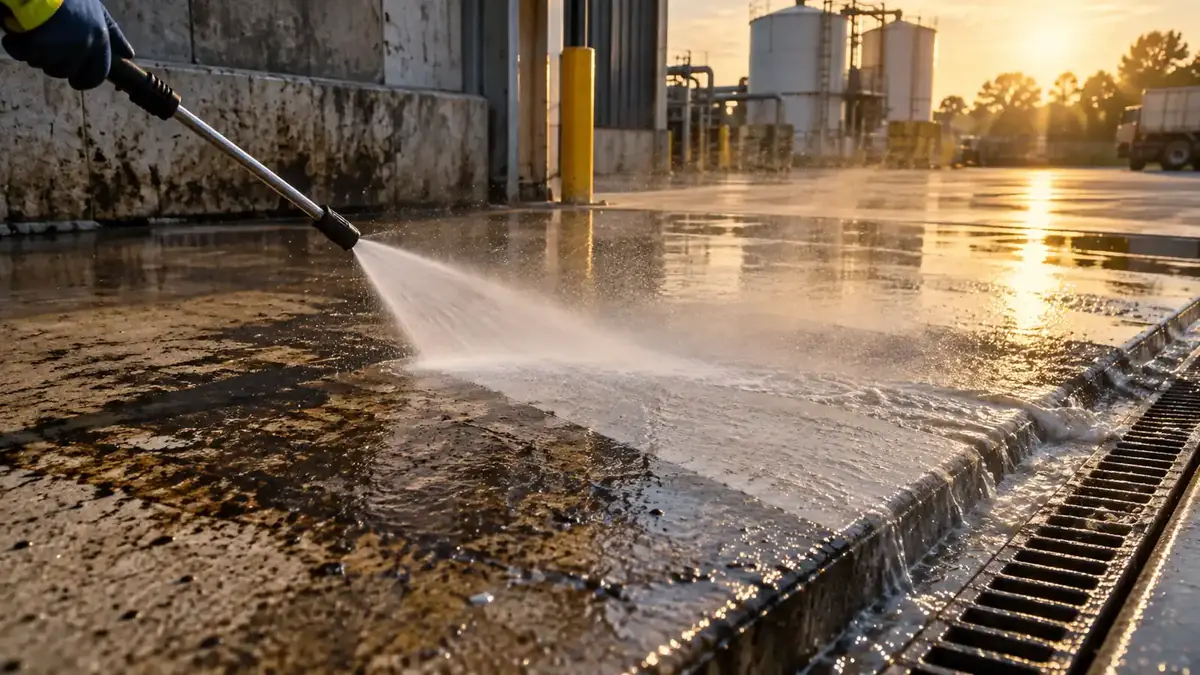
B10
Hydro blasting and pressure cleaning
Hardstands, wash bays and dock aprons, with the washwater captured and kept out of stormwater pits. Assessed per site before it is quoted.
Scope confirmed at walk-through
Which kind of facility are you running?
Choose your facility type to see the cleaning it usually needs and what tends to go wrong. It is the same first question we ask on a walk-through.
A cross-dock and a food store can be the same size and need completely different plans. Frequency, chemicals, height work and the hours we can have the floor all follow from what the building does.
Distribution centres and 3PL sites
These buildings never really stop, so the plan is built around pick waves rather than a closing time. Aisle scrubbing runs behind the pickers, dock aprons are swept during quiet windows and high-level work is booked for weekends. Tyre marks and shrink-wrap offcuts are the daily enemy. See how we handle cleaning for large DC and 3PL sites.
- Machine scrubbing of main aisles two to five nights a week
- Nightly amenities for every shift
- High-level dust removal once or twice a year
Manufacturing plants
Dust from production settles on everything above the line and gets drawn back into it. We clean floors, walkways and structures around the machines, work only on isolated equipment exteriors and never open guarding. Changeover days are the best time for the overheads. Read about our production floor and factory cleans.
- Floor scrubbing and degreasing near lines
- Overhead dust removal during shutdowns
- Change rooms and canteen on a daily cycle
Food and cold storage
Everything is driven by the food safety plan: which chemicals are approved, which zones are cleaned in which order, and what must be written down afterwards. Chilled rooms need products that work at low temperature and floors that are left dry, because a wet cold floor becomes ice.
- Cleaning records matched to your HACCP plan
- Low-temperature floor care in chilled rooms
- Pest-conscious detailing of racking bases
Trade and wholesale warehouses
These sites mix a customer counter, a showroom and a working shed under one roof, and customers see all three. The counter and showroom get cleaned before opening, while the shed floor and the yard are done after trade closes. Mezzanine storage is often the forgotten dust trap.
- Pre-opening clean of counter and showroom
- Weekly shed floor sweep and scrub
- Mezzanine and top-shelf dusting each quarter
Vacant sites at lease end
The job is defined by the lease, not by how clean the place looks. We read the make-good clause and the entry condition report, then clean to that standard and photograph it, so the landlord's inspection has nothing to argue about. See how our make-good handback cleans are run.
- Full floor scrub and oil stain treatment
- Walls, doors and windows to height
- Offices, amenities and yard cleaned out
Office-warehouse units
Smaller units of 300 to 2,000 m² often need a cleaner who can do the office, the toilets and the shed floor in one visit without a ride-on machine. Access is usually a shared driveway, so we work around the neighbours' deliveries and the owners corporation rules.
- Weekly or fortnightly office and amenities
- Walk-behind scrub of the shed floor monthly
- Roller door tracks and entry cleaned
How is industrial cleaning different from cleaning a warehouse?
Industrial cleaning deals with process dirt: oil, swarf, product dust and residue that the work itself produces every day. Warehouse dirt is mostly traffic dust and packaging. The method, chemicals and frequency change with the type of dirt.
In a plant, a floor can go from clean to slippery in one shift, and that makes floor cleaning a safety control, not just housekeeping. We match chemicals to the soil, use scrubbers that recover the dirty water rather than spreading it around, and clean walkways first so people can move while the rest is done. Anything that needs isolation, such as the inside of a machine or a pit, stays with your maintenance crew or a specialist. The detail of how we scope and run this work is on our page about industrial cleaning across Melbourne's plants and workshops.
Oils and process dust need degreasers and recovery, not a mop.
Production zones often need daily attention; storage zones weekly.
Machine interiors, pits and tanks are left to licensed specialists.
Yards count too. Where a site has hardstand, wash bays or a messy back lot, a one-off clean-up of the yard and sheds often comes before a regular program starts.
How should a warehouse floor be scrubbed, swept and looked after?
Sweep for dust, scrub for grime and treat marks on their own. A concrete warehouse floor stays in good shape when dry dust is removed often and a scrubber-drier follows on a set cycle, with tyre marks and oil spots dealt with before they set.
Most floor problems come from doing one thing too often and another too rarely. Scrubbing a dusty floor without sweeping first turns the dust into paste. Sweeping without scrubbing leaves a grey film that makes line marking hard to read. Our floor scrubbing and sweeping service sets the cycle by traffic, not by habit.
- Dry before first shift
- Recovery water to sewer
- Line marking left readable
| Method | What it does | When it suits | Typical cycle |
|---|---|---|---|
| Dust-control sweeping | Lifts loose dust, grit and wrap offcuts before they spread | Every floor, and always before scrubbing | Nightly to weekly |
| Walk-behind scrubber-drier | Scrubs, lifts and vacuums dirty water in one pass | Narrow aisles, units and amenities up to about 3,000 m² | Weekly to monthly |
| Ride-on scrubber-drier | Same result over long aisles in a fraction of the time | Distribution centres and open floors | Two to five nights a week |
| Edge and racking-base detail | Clears the strip machines cannot reach under the lowest beam | Anywhere dust and pests collect at the rack line | Monthly |
| Tyre-mark and oil treatment | Spot degreasing and agitation on stained lanes | Forklift turning zones, charging bays, docks | As needed or monthly |
How do you remove high-level dust from rafters and racking?
From the top down, with HEPA vacuums rather than blowers, working from a lift inside a closed-off aisle. Blowing dust off beams just drops it onto stock and into the air, where it settles again within weeks.
Dust above head height is easy to ignore until it falls on a customer's order or clogs a sprinkler head or light fitting. It also collects on the top beams of racking, where nobody looks. We sheet exposed stock, close the aisle with barriers, clean from the roof line down to the floor and finish with a floor scrub so nothing is left behind. It is part of our deep cleaning service for rafters, beams and racking tops.
Poles and HEPA vacuums from the floor. Doors, walls, lower racking beams and fittings.
Telescopic pole systems with vacuum heads. Upper racking and light fittings when the aisle allows.
Scissor lift in a barricaded aisle. Beams, purlins, cable trays and skylight frames.
Boom-type platform, licensed operator. WorkSafe Victoria requires a WP class high risk work licence for booms of 11 metres or more.
Can you clean while the warehouse is still operating?
Yes. Most of our work happens on live sites. Crews complete your induction, follow your traffic management plan, work in marked exclusion zones and hand areas back zone by zone, so stock keeps moving while the floor gets cleaned.
The six stops below are how every first visit runs. After that, the plan becomes routine and your team stops noticing us, which is the point.
Induction
Each cleaner does your site induction before their first shift, and new starters do it before they walk the floor.
Zone plan
We agree which zones are cleaned in which window and who on your side can release each one.
SWMS
A method statement for your site covers lifts, chemicals, wet floors and traffic, and is signed on the day.
Exclusion
Barriers and signs go up before work starts. Wet floors are marked and dried before the zone reopens.
Handback
The supervisor walks each zone with your shift lead and releases it only when it is dry and clear.
Report
A short visit report with photos lands in your inbox, listing what was done and anything we noticed.
Forklifts come first
WorkSafe Victoria says forklifts cause more workplace deaths and injuries than any other equipment, and that more than half of forklift deaths have involved pedestrians. We work inside your forklift traffic management plan, never cross an active lane without eye contact, and stop when a zone is not released.
Your hours, not ours
We clean overnight, between shifts, on weekends and in planned shutdown windows. For 24-hour sites we split the floor into zones and rotate through them, so no area is closed for longer than your team can work around. Christmas shutdowns are booked early, because every site wants them.
What should an end-of-lease make-good clean include?
Whatever the make-good clause and the entry condition report say, and nothing less. For most industrial leases that means floors cleaned and oil stains treated, walls and doors to height, offices and amenities cleaned out, and the yard left clear.
A make-good is usually booked in a hurry, right after racking comes down and before the keys go back. That is when the dust and oil hidden under racking for years are finally exposed. We come out once the racking is gone, quote against the clause, and return the site with dated photos of each area. Tenants use the photos to close out the lease, and landlords use them to accept the handback without a second visit.
- Floor swept, scrubbed and degreased
- Racking anchor holes vacuumed out
- Walls, columns and doors washed
- Offices and kitchens emptied and cleaned
- Toilets and showers descaled
- Dock levellers and door tracks cleared
- Windows and skylights inside and out
- Yard swept and rubbish removed
Agents who handle several leases at once tend to use us for all of them. See how lease-end cleans for warehouses are priced and booked.
What safety and compliance paperwork should a cleaning contractor hand over?
Before the first shift you should have a site-specific SWMS, a current certificate of currency for public liability, evidence of workers compensation cover, and a list of crew with any licences their tasks need. We send all of it without being asked.
Legally, a SWMS is required for high-risk construction work under the Victorian OHS Regulations 2017, and most cleaning is not construction work. Almost every facility manager asks for one anyway, and they are right to. Writing it forces both sides to agree how lifts, chemicals and wet floors will be handled on that site. WorkSafe Victoria's guidance on safe work method statements sets out the format we follow.
- Site-specific SWMS, reviewed when the scope or the site changes
- Certificate of currency for public liability insurance, on request before work starts
- Chemical register and safety data sheets for every product brought on site
- Licences checked for anyone operating a boom lift, recorded against the job
- Washwater plan so nothing reaches a stormwater pit, in line with EPA Victoria's stormwater rules
How dust build-up and poor housekeeping turn into real site risk is covered in plain terms on our warehouse dust and safety compliance page.
Site contractor / sample layout
Warehouse Cleaning Melbourne- Induction
- Completed for this site
- SWMS
- Job-specific, signed on arrival
- Insurance
- Certificate on file with you
- Lift work
- Licence class checked
- Reports to
- Your shift lead
Which parts of Melbourne do you cover?
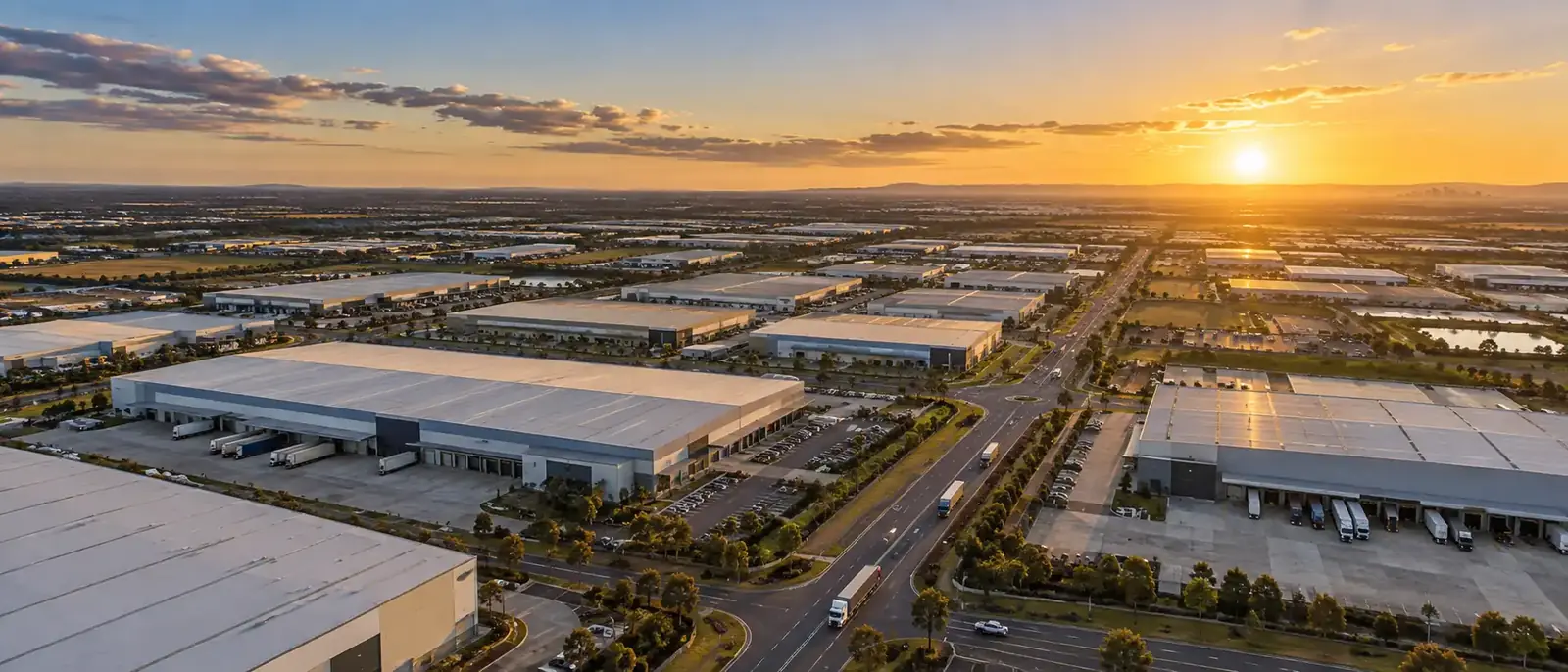
Metropolitan Melbourne, with most of our work in six industrial belts: Laverton and Truganina in the west, Epping and Campbellfield in the north, Port Melbourne on the inner side, and Moorabbin, Clayton and Dandenong South to the south-east. Each one has its own mix of buildings and its own access habits.
The board below is how we think about each belt before a walk-through. If your site sits between two belts, or out past the growth corridors, ask anyway. The full list is on the page covering the areas we serve.
| Belt | Estate character | Typical facilities | Most requested |
|---|---|---|---|
| Warehouse cleaning Dandenong SouthSOUTH-EAST | One of the state's largest manufacturing areas, from older brick factories to new estates off EastLink | Manufacturing, food processing, transport depots | Factory programs and overhead dust |
| Warehouse cleaning ClaytonSOUTH-EAST | Mid-sized sheds and office-warehouses near the Monash research and technology precinct | Light industrial, labs, tech and parts distribution | Combined office, amenities and floor visits |
| Warehouse cleaning MoorabbinSOUTH | Established strips of smaller units, strata complexes and showroom-warehouses | Trade suppliers, wholesale, small manufacturers | Weekly unit cleans and make-goods |
| Warehouse cleaning Port MelbourneINNER | Older large sheds around Fishermans Bend, with tight streets and new development alongside | Port freight, storage, film and event warehouses | Deep cleans and lease-end handbacks |
| Warehouse cleaning Epping and CampbellfieldNORTH | Hume corridor manufacturing and the food distribution cluster around the Melbourne Market | Fresh produce, cold storage, automotive and fabrication | Food-area cleaning and dock aprons |
| Warehouse cleaning Laverton and TruganinaWEST | Melbourne's biggest concentration of big-box distribution centres off the Western Ring Road | Retail DCs, 3PL and e-commerce fulfilment | Ride-on scrubbing programs, high-level work |
Inner-city and CBD-fringe warehouses in places like North Melbourne, Richmond and Collingwood are covered as part of the metro service.
What does warehouse cleaning cost in Melbourne?
It depends mostly on floor area, how often you want it done, how high the work goes and when we are allowed on the floor. We price each job as a fixed amount after seeing the site, rather than quoting a rate per square metre over the phone.
A first clean usually costs more than the ones after it, because it removes months of build-up. A program priced monthly is cheaper per visit than calling us in one job at a time. The table shows what moves the number, and what you can do to bring it down.
| Cost driver | Why it moves the price | What brings it down |
|---|---|---|
| Floor area | Sets machine size, crew size and hours on site | Clear aisles so a ride-on can run full lengths |
| Starting condition | Heavy build-up needs extra passes and degreasing | Moving to a regular cycle after the first clean |
| Height | Lifts, barriers and slower work above 3 metres | Booking high-level work during a shutdown |
| Access windows | Short or broken windows mean more setup time | Longer blocks, even if they are overnight |
| Frequency | Regular visits spread setup and travel costs | A monthly program rather than one-off calls |
| Waste and extras | Skips, pallet removal and stain work add time | Clearing waste before the crew arrives |
How often should a distribution centre or 3PL site be cleaned?
Amenities daily, busy aisles and docks several times a week, racking bases monthly and high-level structures once or twice a year. The right cycle for your site depends on shifts, traffic and what you store, so we set it zone by zone.
A scheduled program puts that cycle in writing. You get one fixed monthly price, the same supervisor each visit, and a report that shows the plan is being kept. The matrix is a typical starting point for a two-shift distribution centre.
| Zone | Nightly | Weekly | Monthly | Quarterly | Yearly |
|---|---|---|---|---|---|
| Amenities and lunchrooms | Yes | Detail | |||
| Main aisles and pick face | Yes | Detail | |||
| Dock aprons and door tracks | Yes | Detail | |||
| Racking bases and edges | Yes | ||||
| Offices and meeting rooms | Yes | Detail | |||
| Racking tops and fittings | Yes | ||||
| Roof structure and skylights | Yes |
Programs suit sites where a missed week shows. That usually means distribution centres, 3PLs with client audits and manufacturers who get visitors on the floor. Our standing cleaning plans for DCs and plants are reviewed every quarter, and the cycle changes if the site does, for example when a peak season doubles the traffic.
If you have never had a written cleaning cycle, start with our zone-by-zone warehouse cleaning checklist. It is the same list our supervisors walk, and it works whether or not you hire us.
How do you get a fixed quote for warehouse cleaning?
Tell us the floor area, what needs cleaning, when we can have access and any site rules. We book a walk-through, then send a fixed price within 24 hours of it, broken down by zone.
The walk-through takes 30 to 60 minutes for most sites. We measure aisle widths, check floor type and ceiling height, note where water can be emptied and ask who can release each zone. That is how the price stays fixed: there is nothing left to discover on the night. To see what kind of warehouse cleaning company you would be dealing with, read about us. If you would rather skip the builder, you can get a quote by sending your details straight to the form.
Rough floor area in square metres, plus mezzanines and yard
Floors, high level, racking, amenities, offices or a full make-good
Shift pattern, quiet windows and any planned shutdown dates
Induction steps, PPE, traffic rules and chemical approvals
What do site managers usually ask before they book?
These are the eight questions that come up on nearly every walk-through, answered the way we answer them on site.
For deeper reading on scheduling, dust and choosing a contractor, our warehouse cleaning guides are written for facility and operations managers, and include a checklist for choosing an industrial cleaning contractor.