
Port land, old sheds, new neighbours
Warehouse and Industrial Cleaning in Port Melbourne
Industrial cleaning in Port Melbourne is for older, bigger buildings on some of the busiest freight streets in the city: port storage, freight forwarders, workshops and sheds that have had three or four uses over the years. We clean them on a program, deep clean them after years of build-up, and get them ready for handover. Port Melbourne is one of six belts shown on our map of the Melbourne industrial areas we service.
Every quote here starts with a look at the building's age and condition, because that decides the method.
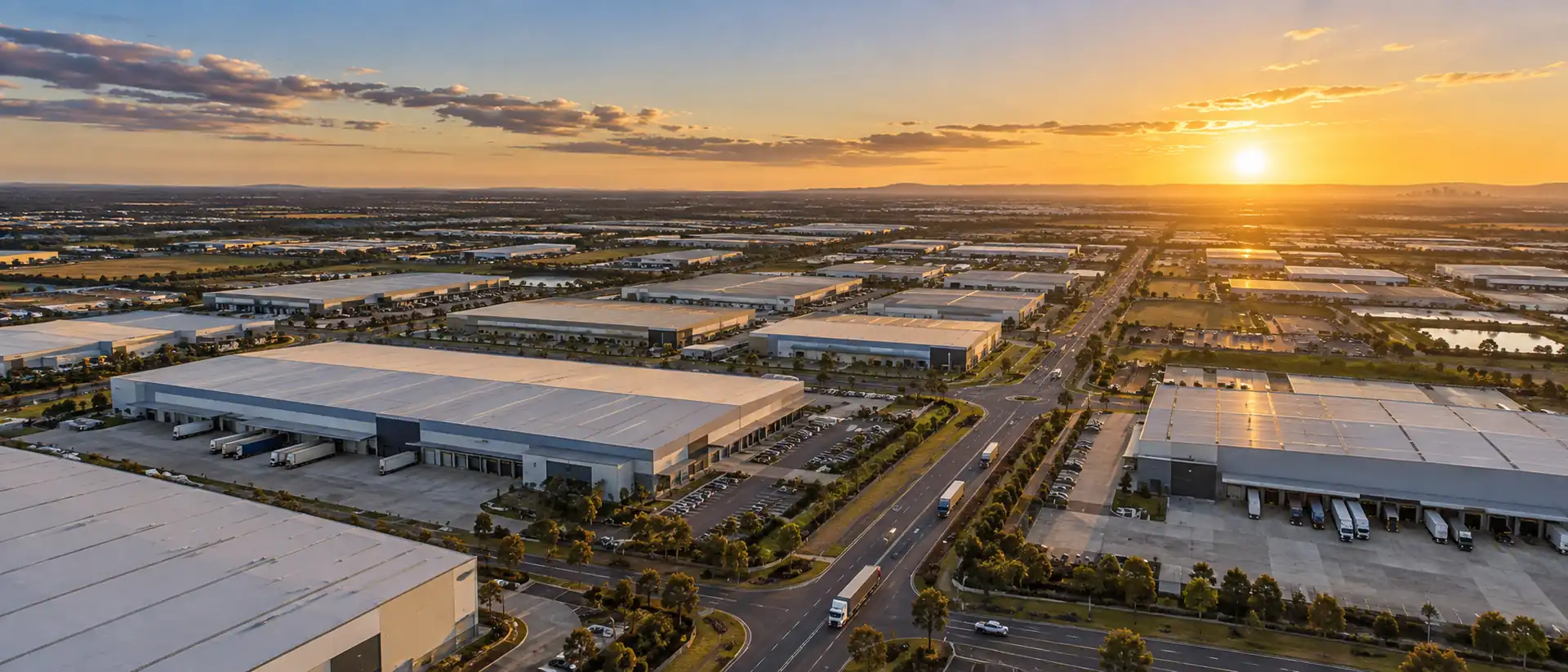
Port Melbourne work
- DEEPBuild-up
- M/GMake-good
- PROGPrograms
- PORTFreight
What does industrial cleaning in Port Melbourne involve?
Mostly large, older sheds that need more than a sweep. Industrial cleaning in Port Melbourne covers freight and storage buildings near Webb Dock, workshops off Salmon and Lorimer streets, and sites inside the Fishermans Bend area where old industry and new towers now sit side by side.
The land between the West Gate Freeway, Williamstown Road and the bay is some of Melbourne's oldest working industrial ground. Buildings here were put up for manufacturing and shipping long before modern distribution centres, so roofs are high, floors have been patched many times and offices have been added on wherever there was room.
What that means for cleaning is years of settled dust on beams and ledges, birds in open-sided roofs, oil worked into old concrete, and salt air that dulls roller doors and glazing faster than inland. A standard weekly clean does not touch most of that. It needs a proper first clean to reset the building, then a program to hold it there.
The area is also changing quickly. Some sheds are waiting for redevelopment, some have become gyms, studios and breweries, and some are still busy freight sites. We clean all three, and the quote reflects which one you are.
What do we check first in an older Port Melbourne building?
Four things: what is in the roof, what is in the floor, whether any material might contain asbestos, and how the drains run. Those checks decide the method, the crew size and what gets written into the quote as excluded.
Older workplaces in Victoria built before 2004 should hold an asbestos register, which WorkSafe Victoria's asbestos guidance covers. We ask to see it before any high-level or scraping work.
Bird droppings deserve a special mention, because they are common in the open-sided sheds near the water and they are not just a looks problem. Dried droppings turn to dust that people breathe in, so the crew wears masks and gloves, dampens the droppings before lifting them, and bags the waste rather than sweeping it into the air. We will also tell you where the birds are getting in, since cleaning alone will not keep them out.
Which sites make up the Port Melbourne belt?
Freight and storage near the port, trade and workshop businesses in the older streets, and converted sheds used by gyms, studios, breweries and event spaces. Each gets a different visit.
Freight sites care about safe aisles and a clean dock. Workshops care about the floor. Converted sheds have the public walking through, so they need to look like a venue as well as be safe.
| Site type | What we focus on | Usual rhythm |
|---|---|---|
| Freight, storage and bond stores | Aisles, dock plates, forklift routes, staff amenities | Weekly program, high-level clean yearly |
| Workshops and trade businesses | Degreasing floors, wash bays, toilets and lunchrooms | Weekly or fortnightly |
| Converted sheds open to the public | Customer floors, toilets, glass, bins after events | After trading days, plus a monthly deep clean |
| Sheds awaiting redevelopment | Clearing, a full reset clean and handover photos | One-off |
Converted venues need their own rhythm. A brewery or event shed can go from a quiet warehouse on Thursday to a few hundred guests on Saturday, and the clean has to cope with both: spilled drinks and food scraps on a concrete floor, busy toilets, and bins that fill in hours. We book those cleans for the morning after, so the space is ready before staff arrive, and keep the warehouse side of the building on its normal program.
Which services do Port Melbourne sites book most?
Deep cleans, make-goods and full clear-outs, well ahead of routine weekly work. That fits the belt: old buildings build up grime over years, and the renewal area means leases end and uses change more often than in most places.
Once a building has had its reset clean, many owners and tenants move to a regular program so the build-up does not return. The three services below are where most Port Melbourne jobs begin.
Deep and high-level cleans
Roof steel, ledges, racking tops and lighting cleaned from a platform, then the floor. Read how it works in our guide to deep cleaning a warehouse from the roof down.
Make-good cleans
Cleaning to the lease clause with a dated photo record for the landlord. Details are on our page for make-good cleaning at the end of a warehouse lease.
Site clean-ups
Old stock, pallets and rubbish removed and the shed washed out before sale, lease or demolition. See our industrial site clean-up service.
How do access and scheduling work around the port?
Around the trucks. Container and freight traffic fills Todd Road, Lorimer Street and Williamstown Road through the working day, so larger cleans are booked for evenings and weekends, when the crew can park and work without holding anyone up.
Port-adjacent sites often have their own sign-in and induction rules, and freight yards run forklifts late. We work to the site's traffic plan, keep out of live loading areas and set the timing with your supervisor.
Most weekly program visits, after the last trucks of the day.
Deep cleans and high-level work, when the floor can be closed off.
Completed before the first visit, with SWMS sent ahead.
Agreed with you so the crew van is off busy streets and clear of the dock.
How do you get a Port Melbourne site quoted?
Tell us the address, the floor area, the building's rough age and what you need done. We walk through, check the four points above, and send a fixed quote within 24 hours of the visit, with the SWMS and any exclusions in writing.
If the asbestos register is handy, send it too; it speeds up the quote for high-level work. What moves the price is covered on our guide to how warehouse cleaning is priced, and everything else we do is on the Warehouse Cleaning Melbourne home page.
Get a Port Melbourne quote- Address, floor area and building age
- Walk-through and condition check
- Fixed quote with SWMS and exclusions
- Evening or weekend clean booked
What do people ask about industrial cleaning in Port Melbourne?
The same three questions come up at almost every Port Melbourne walk-through.
If your question is not here, write it on your quote request and it gets answered alongside the price.